Tue, 10/02/2026 - 12:22pm
Village Halls: Lifelines for Health and Wellbeing in Rural Communities
Guest blog by Bernard Hammick, Managing Director at Hallmaster
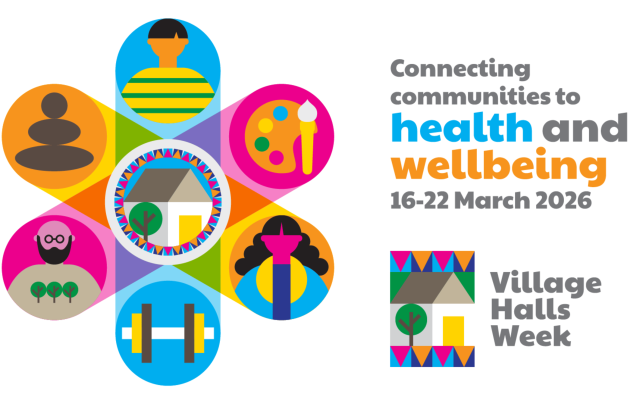
Across England, Wales and Scotland, village halls sit at the centre of rural life. As we approach Village Halls Week 2026, and its theme “Connecting Communities to Health and Wellbeing”, it’s worth pausing to recognise just how important these spaces are – particularly in rural areas where services are disappearing and opportunities to connect can be few and far between.
From gentle exercise classes and wellbeing sessions to peer support groups, lunch clubs and pop-up libraries, village halls support healthier, happier lives, helping people stay active, learn new skills and feel part of something bigger than themselves. Research from the National Village Halls Survey clearly shows how deeply village and community halls contribute to rural life. In England alone, the detailed report from ACRE found that community halls support thousands of jobs and boost the rural economy through a wide variety of events hosted on site, such as private parties, meetings, charity events, concerts, weddings, and much more.
But the value of village halls goes far beyond economics – it is the social and emotional benefits that make them indispensable. Rural living can bring unique challenges: limited access to public transport, fewer services and increased risk of isolation, particularly for older residents. Halls help address this by offering places to meet, learn, share and engage. In fact, many rural residents tell us their hall is the only regular social space in their community.
As Traquair Village Hall puts it: “In our rural location, where people live in quite isolated locations and often only interact with other people when waving as they drive by, having a space to be able to get together is important. Our hall proves this by being in frequent use - usually something is booked in every single day of the week, providing a space for people to come together for many different reasons. In a world where we spend more and more time looking at screens and communicating via messages, village halls still provide a vital space that enables people to spend time together in-person.” - Mark Phelan, Traquair Village Hall
This community-based support aligns strongly with guidance from the NHS on mental wellbeing, highlighted recently by ACRE’s Deborah Clark herself. The NHS Five Steps to Mental Wellbeing emphasises the importance of connecting with others, being physically active, learning new skills, giving to others and paying attention to the present moment (often called mindfulness). Activities facilitated by village halls – from coffee mornings to classes, volunteer initiatives to support groups – help people take all of these positive steps.
For volunteers and management committees, running a village hall can be a labour of love. These dedicated community members create the conditions for connection and wellbeing, often juggling multiple responsibilities with limited resources. At Hallmaster, we’re proud to support that work. Our system helps halls manage bookings, invoicing and communications so volunteers can focus on the activities that make the greatest difference to people’s lives. As Village Halls Week 2026 arrives, we celebrate these venues and the people who bring them to life and the positive impact they have on health, happiness, and wellbeing. Whether it’s a weekly exercise class that strengthens bodies and spirits, a group of neighbours sharing lunch and stories, or a supportive volunteer-led project that helps someone feel seen and supported – village halls enrich rural life in ways that are both profound and personal, and help to make community life richer, healthier and more connected.
Hallmaster - Online Booking & Invoicing System Book a demo with us today to find out more about Hallmaster info@hallmaster.co.uk 01929 509 846